Consent & Privacy
It's legal in many places to photograph people in public, but legal isn't always ethical. In public there's implied consent to being part of a scene — but that doesn't cover intrusive or exploitative shots, especially of vulnerable people. When you're focusing on one person, consider asking. A smile and a gesture toward the camera can lead to more meaningful, respectful images.
Respecting Boundaries
Everyone has a different comfort level. A longer lens captures candor without crowding personal space, but stay aware of how your presence lands — and step back if someone seems uncomfortable. Discretion and blending in lead to more genuine captures and fewer disturbances.
Portraying Dignity
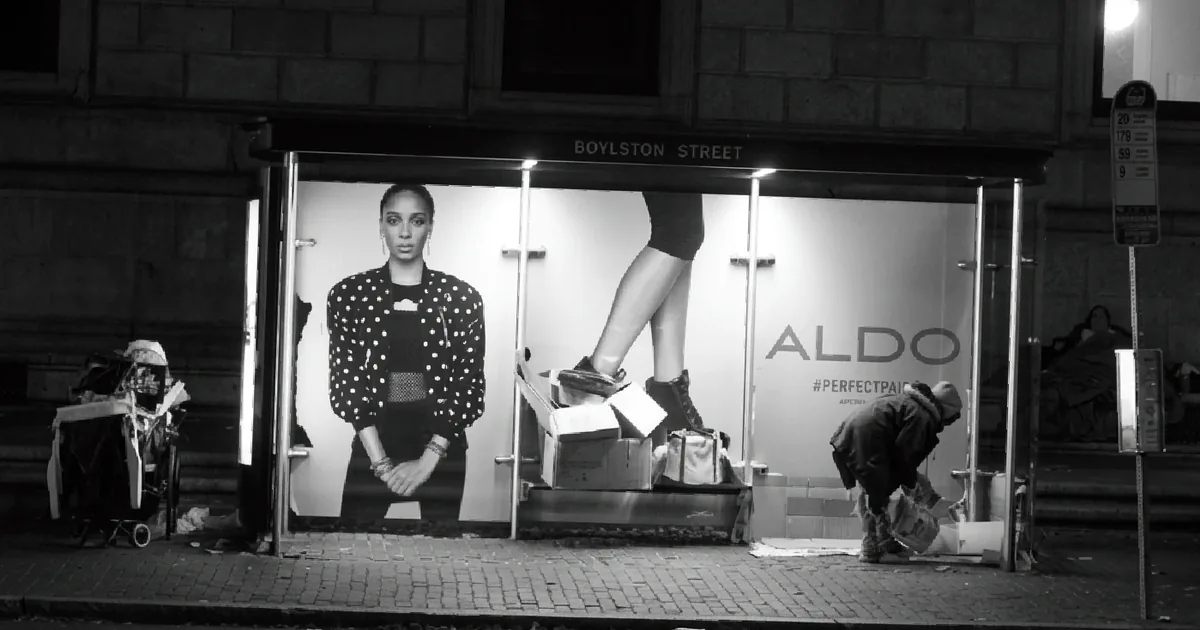
Aim to show subjects with dignity. Tell a story that respects their humanity — the joy of a performer, the quiet of a commuter. Be conscious of stereotypes; strive for diverse, non-demeaning representation.
Sensitive Situations
Crises and emergencies can be important to document, but approach with compassion and put people's well-being above the shot. In different cultural contexts, learn local customs — what's acceptable in one place can be deeply offensive in another.
Legal Considerations
Know public vs. private space — malls and some parks are privately owned with photography restrictions. In some jurisdictions, the "right to be forgotten" affects how you handle and distribute images. Stay informed.
Engaging & Post-Processing
A brief conversation builds rapport and deepens your understanding of a scene; offering to share the photo is a gesture of goodwill. In editing, represent subjects honestly — avoid manipulations that mislead, and anonymize when appropriate to protect privacy.
"Ethical street photography honors the humanity of your subjects — and it makes the work stronger, not weaker."